Home › Walkway and Pathway Paving
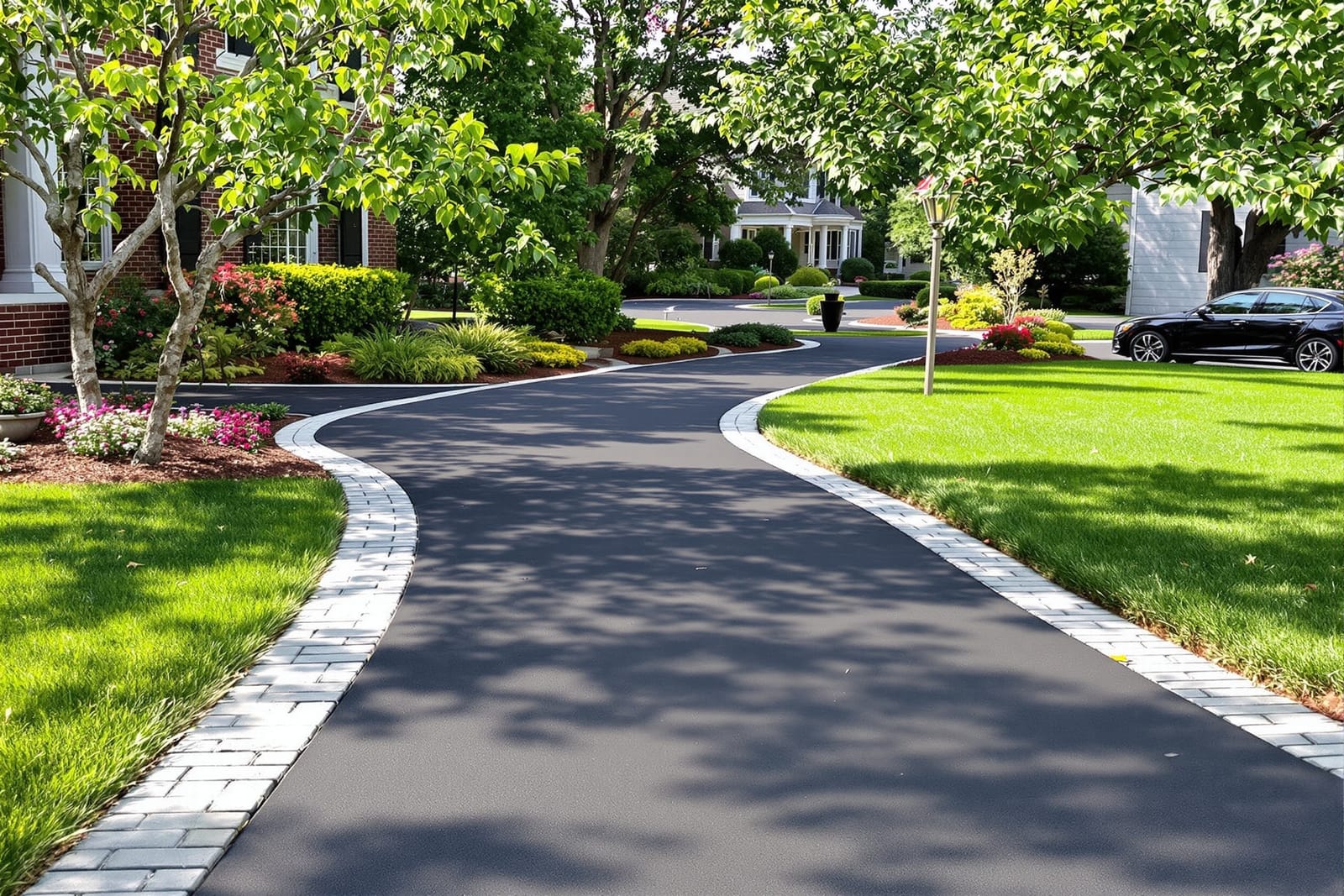
Create smooth, safe access around your property with asphalt walkway paving in Durham, NC. We design and build asphalt paths that follow your landscape, improve drainage, and provide comfortable walking surfaces. Ideal for garden paths, side yard access, and shared residential walkways.
Precision Asphalt Durham provides professional asphalt walkway paving throughout Durham, NC, North Carolina and the surrounding area. Our licensed, insured crew delivers safe, clean, on-time work with a free estimate before anything begins. Call (984) 206-3947 or request your free quote.
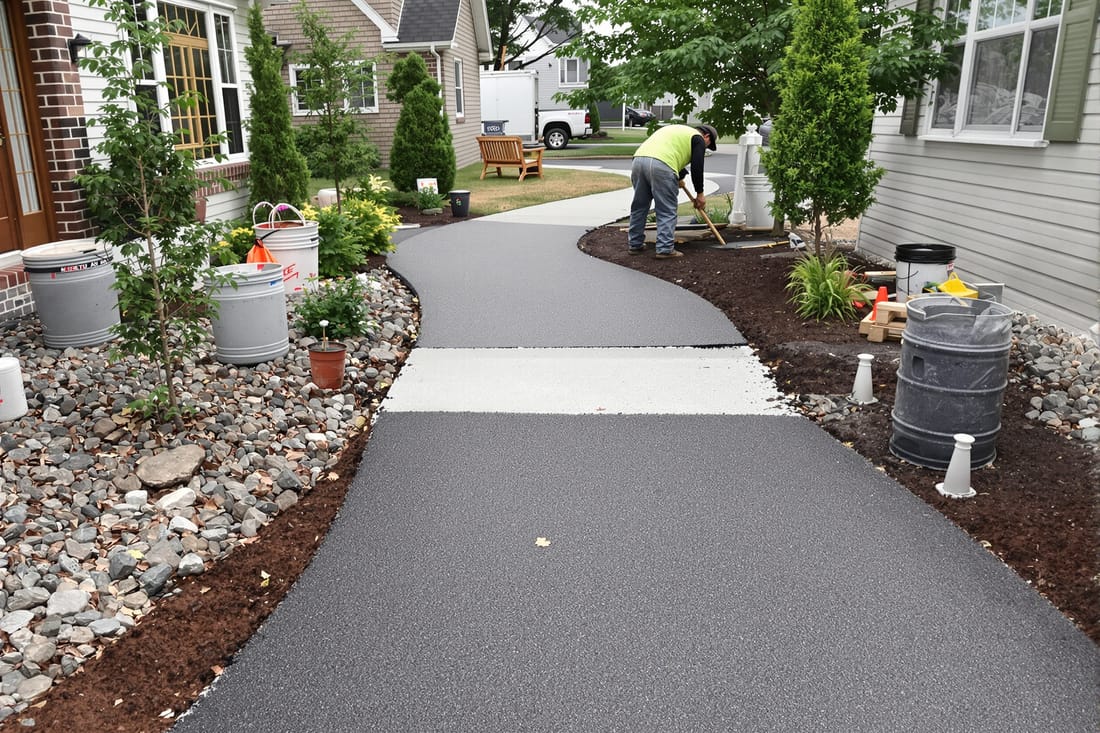
Durham-focused asphalt walkway paving for homes, HOAs, and small campuses
Walkways and pathways get a different kind of traffic than driveways, so they need to be built with comfort and safety in mind, not just strength. At Precision Asphalt Durham, we design and install asphalt walkways that fit how people actually use the space, whether it is a shaded backyard path, a connector between parking and offices, or a loop trail around a community pond.
Durham’s clay-heavy soil, tree roots, and sloped yards make walkway planning more important than many property owners realize. A straight line from point A to point B is usually not the best long-term solution. We look at how water moves across your property, where people naturally like to cut across, and what kind of use the path will see. A path that will handle carts, strollers, or maintenance equipment needs a different base and thickness than a simple walking trail.
Because we work specifically in Durham and the surrounding Triangle, we know the local codes, ADA expectations for public-facing walks, and what holds up through our freeze-thaw cycles. That local experience lets us recommend path layouts, slopes, and materials that do not just look good on day one, but stay smooth and safe for years.
How asphalt walkway paving actually gets done, step by step
A solid walkway or pathway starts under the surface. For most Durham properties, we begin by marking utilities and paint lines for the planned route. Then we cut and remove turf, old concrete, or failing gravel walks to reach undisturbed soil. If the soil is soft or holds water, we undercut and bring in stone to build up a stable base instead of paving over weak ground that will settle.
Once the area is opened up, we shape the subgrade with the proper slope so water sheds off the path instead of running down the middle. In our climate, even a subtle slope, usually around 2 percent, makes a big difference in how long a walkway lasts. We then place and compact a layer of crushed stone. For light residential foot traffic we usually recommend 4 inches of compacted stone. For HOA greenways, school campuses, and paths that will see carts or light vehicles, 6 inches or more is often worth the investment.
After the base is tight and smooth, we install edging where needed. This can be simple earthen shoulders, concrete curbing, or steel edging, depending on how clean you want the edge to look and how likely erosion is. Then we place the hot mix asphalt at a thickness suited to the use of the path. A typical residential walkway in Durham is 2 to 2.5 inches of compacted asphalt. For multi-use or maintenance routes, we may go to 3 inches or use a stronger surface mix.
The asphalt is spread and struck off, then compacted with a small roller and plate compactors around tight curves. We pay particular attention at tie-ins to driveways, patios, and steps so there are not awkward lips or trip edges. Once compaction is complete, the surface is allowed to cool. Most walkways can be walked on the same day, but we usually suggest waiting 24 hours before rolling carts or equipment across the new pavement.
Design options, finishes, and accessibility for your paths
Even though asphalt is typically black, you still have real design choices for your walkway. Precision Asphalt Durham helps you pick a path width that matches how the space will be used. For a basic backyard walk, 3 feet can be enough, but if you expect two people to walk side by side comfortably, 4 to 5 feet feels much better. In common areas, around schools, churches, and offices, we often suggest 6 feet or wider so people are not forced into the grass.
Curves and intersections matter too. Tight curves might look interesting on paper, but they are harder to maintain and more likely to crack near trees. We prefer gradual curves that follow natural lines in the landscape. At intersections where paths meet, we often flare out the pavement slightly. It feels more open and reduces wear from people cutting corners.
Surface texture is another choice. Standard machine-finished asphalt has a fine, slightly textured surface that drains well. For areas that see a lot of leaf clutter or are shaded and can stay damp, we can adjust the mix and compaction to keep a bit more micro texture for traction. For public or semi-public paths, we follow ADA guidelines on slopes and cross-slopes, and we can coordinate with a concrete contractor if you need curb ramps or tactile warning strips at crossings.
If you are concerned about heat build-up in sunny areas, we can discuss lighter-colored sealcoat options down the road once the asphalt has cured. These coatings can reduce surface temperature and give the walkway a cleaner, more finished look. We also plan for future lighting or irrigation by working around conduit runs and valve boxes so your path and utilities do not fight each other later.
What affects cost and how we help you control it
Walkway and pathway paving costs in Durham depend on more than just length. The biggest drivers are base preparation, access for equipment, walkway width, and how much shaping of the land is needed. A straight 50-foot path across firm, flat ground with good access for our roller and trucks will cost far less per foot than a curving path across a soft, shaded slope behind a house where everything must be hauled in smaller loads.
Soil conditions are a big factor in our area. Red clay that holds water or areas that have been filled with loose material will need more stone base and compaction time. That adds cost up front, but skipping it is how you end up with settled and cracked pavements a couple of years later. Tree roots near oaks, sweetgums, and maples are another local concern. In some cases we may suggest adjusting the route a few feet rather than cutting major roots that could later cause pavement heaving or harm the tree.
Features like edging, tie-ins to existing patios or sidewalks, and any drainage work also influence the price. If water tends to run along the route of your planned path, we may propose a shallow swale or, in some cases, a small drain structure so the asphalt is not constantly wet. This is less expensive to handle during construction than to keep patching damage later.
Precision Asphalt Durham gives written proposals that show how much of the cost goes into base work, asphalt thickness, and any extras. If the number is higher than you hoped for, we can often suggest ways to trim cost realistically, such as narrowing portions of the path, simplifying curves, or phasing the project so the most critical sections are built first without cutting corners on the base.
Common problems we prevent and how to get your project started
Most walkway problems we get called to fix in Durham share a few causes: thin or no stone base, poor drainage, and paths built tight against trees or structures without room to move. The results are familiar: puddles that never dry, edges that crumble where people step off the pavement, and cracks that show up far too early.
When we build or rebuild a path, we look for these risk factors during the initial visit. If we see low spots or signs that water is already cutting ruts in the yard, we factor that into the design and scope. For edges that will see a lot of step-offs, like along parking lots, we often widen the path slightly or strengthen the shoulders with additional stone so the asphalt is not hanging in the air as soil erodes.
Durham’s temperature swings and summer storms also influence our schedule and approach. We avoid paving walkways on saturated ground or on days when a storm is clearly coming. Rushing in those conditions can trap moisture under the mat or wash fines out of the fresh base, which leads to problems within the first year. Our crews watch both the forecast and the actual site conditions and will be straightforward with you if a delay will produce a better result.
If you are thinking about a new walkway or replacing an old one, the best first step is a site visit. Precision Asphalt Durham will walk the route with you, talk about how the path will really be used, measure grades, and probe the soil. From there, we provide a clear plan and pricing. You get to see exactly what is included and why each step matters, so you are not just buying asphalt, you are investing in a walkway that fits your property and holds up in Durham’s real-world conditions.